
Water leaking from ceiling: who to call and what to check first is a serious home emergency that requires immediate action. Even a small drip can damage drywall, wood, insulation, furniture, and electrical systems if left untreated.
Quick and decisive steps help prevent extensive damage, mold growth, and higher repair costs. Understanding the correct order of checks and knowing whom to call ensures that the problem is addressed efficiently and safely. This guide offers actionable steps to protect your home, reduce damage, and manage the situation effectively.
Ceiling leaks are often deceptive because water can travel along beams or piping before appearing in visible areas. What seems minor may indicate a larger problem above, such as a burst pipe, faulty fixture, or roof damage.
By learning Water leaking from ceiling: who to call and what to check first, homeowners can act calmly and prevent further escalation. Immediate action also helps with insurance claims and ensures the home remains structurally safe.
Why Water Leaking From Ceiling Is an Emergency
When you notice Water leaking from ceiling: who to call and what to check first, you face several risks at once. Water can weaken drywall, wood, and insulation, causing sagging ceilings or even collapse. It can reach electrical wiring, creating fire hazards or risk of electrocution.
Moisture also promotes mold growth, which spreads quickly and affects indoor air quality. Early intervention minimizes structural damage, protects health, and reduces repair costs.
Ignoring leaks allows water to spread behind walls and ceilings, often unnoticed. It can damage furniture, flooring, and personal belongings over time. Treating even small drips as urgent ensures you limit damage and prevent hidden issues from becoming major repairs. Knowing Water leaking from ceiling: who to call and what to check first helps you make fast decisions that safeguard both your home and family.
Signs Your Ceiling Leak Is Serious
Serious leaks often appear as water stains, discoloration, peeling paint, or bulging ceiling panels. A bulging ceiling indicates water pooling, increasing the risk of sudden collapse. Musty odors or visible mold reveal hidden moisture that requires immediate attention. Leaks that occur consistently during rainfall or when using plumbing fixtures upstairs are signs of urgent problems.
Other indicators include dripping water, warped ceiling tiles, cracks radiating from the leak, and water near light fixtures or vents. Identifying these warning signs early helps you take the correct measures and contact the right professionals for Water leaking from ceiling: who to call and what to check first. Acting on early signs prevents further damage and additional costs.
First Steps: What to Check Immediately
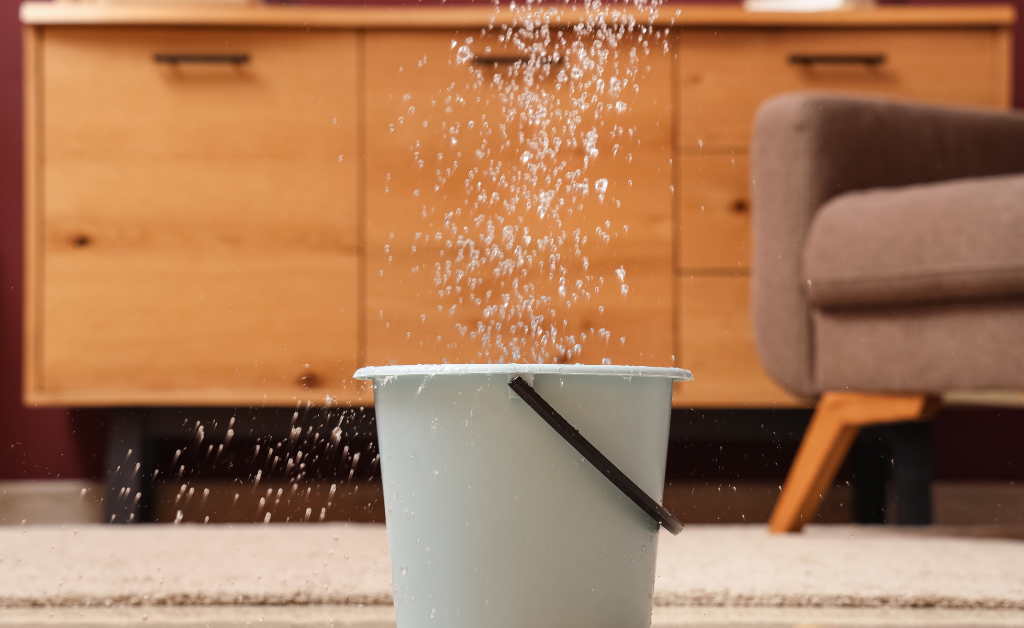
Immediate action can prevent extensive damage. Place buckets or trays under dripping water to catch moisture. Remove furniture, rugs, and electronics from the affected area. If water is near outlets or light fixtures, turn off electricity at the breaker to avoid shock hazards.
Document the leak with photos and notes to support insurance claims and guide repair teams.
Check surrounding rooms for signs of water spread. Moisture can travel through ceilings and walls before it becomes visible. Identifying the leak’s path and immediate impact helps you control the situation. These steps are crucial in preparing for Water leaking from ceiling: who to call and what to check first. Acting quickly minimizes property damage and creates a safer environment for everyone in the home.
Check Above the Leak
If accessible, inspect the space directly above the leak. In multi-story homes, examine plumbing fixtures such as sinks, tubs, showers, and toilets for leaks. Look for wet insulation, discoloration, or dripping pipes. Observing the area above helps trace the water path to its origin.
If the leak occurs during rain, inspect roof components like shingles, flashing, gutters, and skylights. Water can travel along beams before appearing on the ceiling. This investigation helps identify the correct professional to call for Water leaking from ceiling: who to call and what to check first, whether a plumber, roofer, or restoration specialist. Accurate identification reduces repair time and cost.
Controlling Drips to Prevent Further Damage
Control water to limit immediate damage. Place buckets under drips, use towels to absorb splashes, and cover furniture or floors with plastic sheets. If a ceiling bulge forms, carefully puncture it at the lowest point so water drains into a bucket, reducing pressure and preventing collapse.
Keep multiple containers ready for ongoing water flow. Continuous monitoring prevents puddling and limits structural strain on ceilings. Temporary containment is essential for managing Water leaking from ceiling: who to call and what to check first until professionals arrive. Proper handling at this stage reduces repair costs and protects belongings.
Who to Call First: Plumber vs Roofer vs Electrician
Knowing whom to call depends on the source of the leak. If the water appears independent of rainfall, call a licensed plumber. Plumbing issues such as burst pipes, faulty fixtures, or leaking supply lines are common causes. A plumber locates the source, stops water flow, and advises on temporary containment measures.
If the leak occurs only during rain or snowmelt, a roofer should be your first contact.
Roof leaks often result from damaged shingles, flashing, or gutters. Roofers inspect both the exterior and interior spaces to identify water pathways. An electrician must be called if water is near outlets, fixtures, or wiring to prevent shocks or fire. Knowing Water leaking from ceiling: who to call and what to check first ensures you take the right step promptly.
Calling a Plumber First
Plumbers specialize in detecting hidden leaks behind walls and ceilings. They use tools like moisture meters, thermal cameras, and pipe inspection cameras to pinpoint the source. Once found, they repair or replace damaged sections, stopping water at its source.
Plumbers also advise on monitoring leaks until permanent repairs are completed and recommend preventive measures to avoid recurrence. Calling a plumber first ensures that Water leaking from ceiling: who to call and what to check first is addressed efficiently and minimizes further water damage.
Calling a Roofer First
Roofers examine shingles, flashing, vents, chimneys, and gutters. They identify cracks, missing shingles, and seal failures that allow water entry. Roofers may also inspect the attic for wet insulation, wood staining, or water tracks along beams.
Prompt roofing repair prevents additional water intrusion, mold, and interior damage. For rain-related leaks, contacting a roofer first ensures timely action. Correctly identifying the source helps homeowners follow Water leaking from ceiling: who to call and what to check first efficiently and avoid unnecessary expenses.
Calling a Water Damage Restoration Expert
Restoration specialists extract standing water, dry wet materials, and prevent mold growth. They use industrial vacuums, dehumidifiers, and moisture meters to ensure thorough drying. These experts also repair insulation, prep ceilings for repainting, and help with insurance documentation.
Restoration professionals are essential for long-term damage control and ensuring that all affected areas are properly dried and stabilized. Their intervention reduces the risk of lingering moisture and provides peace of mind after a ceiling leak.
Calling an Electrician
Electricians address water exposure near wiring, outlets, or fixtures. They assess the extent of damage, repair or replace affected wiring, and ensure circuits are safe. This prevents shocks, fire hazards, and future electrical problems.
For Water leaking from ceiling: who to call and what to check first, electricians are critical when water interacts with electrical systems. Contacting them early ensures safety while other repairs are carried out. Proper electrical intervention protects both property and occupants.
Inspecting Attic or Upper Floors
Inspecting attics or upper floors helps trace the origin of leaks. Look for wet insulation, dark stains on wood, or water trails along beams. Check HVAC lines and plumbing pipes running through these spaces. Proper attic inspection provides valuable clues for resolving leaks.
Early detection in these areas prevents secondary damage, such as sagging ceilings or ruined insulation. Homeowners gain insight into the leak source, guiding decisions on Water leaking from ceiling: who to call and what to check first and ensuring faster, more efficient repairs.
Safety Tips for Attic Inspection
Wear gloves, sturdy shoes, and a protective mask. Avoid stepping between joists where support is unclear. Insulation can hide hazards, and exposed wiring may pose a risk.
Never inspect during storms or heavy rain. If conditions are unsafe, wait for professionals. Ensuring safety during initial inspections is a critical step when managing Water leaking from ceiling: who to call and what to check first.
Controlling Damage Before Professionals Arrive
Protect floors and belongings by placing buckets, covering furniture, and removing valuables from the leak area. Puncturing ceiling bulges allows controlled drainage. Constant monitoring prevents new damage from occurring.
Temporary containment reduces the risk of ceiling collapse, structural damage, and mold. Acting quickly allows professionals to focus on repair rather than emergency mitigation. Proper early control is a key part of managing Water leaking from ceiling: who to call and what to check first efficiently.
Documenting Damage for Insurance
Take detailed photographs of ceiling stains, water drips, and affected property. Note times, dates, and steps taken for mitigation. Keep records of calls made to professionals.
Documentation helps with insurance claims, allows repair professionals to plan work efficiently, and provides proof of immediate mitigation. Proper record-keeping ensures smooth resolution after experiencing Water leaking from ceiling: who to call and what to check first.
Preventing Future Ceiling Leaks
Regular maintenance helps prevent recurring leaks. Clean gutters, inspect roofing, and repair worn shingles. Replace old or corroded pipes and ensure proper insulation in attics. Install water sensors for early detection of leaks.
Proactive inspections reduce the likelihood of future ceiling leaks. Checking plumbing lines, roofs, and attic conditions regularly ensures that homeowners stay ahead of potential water damage. Following these steps helps prevent repeat scenarios of Water leaking from ceiling: who to call and what to check first.
FAQs
What is the first step when water is leaking from ceiling: who to call and what to check first?
The first step is to place buckets under the dripping area to catch water and prevent floor damage. Turn off electricity if water is near outlets or fixtures to avoid hazards. Then document the situation with photos before calling the right professional.
Should I call a plumber or roofer first?
Call a plumber first if the leak comes from plumbing pipes or fixtures inside the home. If the leak occurs only during rain or snow, contact a roofer to inspect the roof and gutters. Identifying the source quickly helps minimize damage.
Can I fix a ceiling leak myself?
You can handle minor cosmetic repairs like patching paint or small stains, but the main leak source should be fixed by a professional. Attempting to repair the source yourself may worsen damage or cause safety hazards. Professionals ensure the leak is fully stopped.
When should I call an electrician?
Call an electrician immediately if water reaches outlets, switches, or light fixtures. Water and electricity together create a serious risk of shock or fire. An electrician ensures the electrical system is safe before repairs continue.
How soon should I act?
You should act immediately when you notice a leak. Water spreads quickly, damaging ceilings, walls, furniture, and insulation. Prompt action prevents more expensive and extensive repairs.
Will insurance cover ceiling water leaks?
Insurance may cover sudden and accidental leaks, but coverage depends on your policy. Gradual leaks from wear and tear are often excluded. Documenting the leak and damage improves your chances of a successful claim.
Does attic water always mean a roof leak?
Not necessarily. Water in the attic can come from plumbing, HVAC systems, or condensation. Checking all potential sources helps determine Water leaking from ceiling: who to call and what to check first.
How do professionals find hidden leaks?
Professionals use tools like thermal cameras, moisture meters, and pipe inspection cameras to detect leaks behind walls and ceilings. These tools help locate the exact source without unnecessary damage. Accurate detection ensures efficient repair.
Can ceiling leaks lead to mold growth?
Yes, mold can start forming within 24–48 hours of water exposure. Mold spreads quickly and can damage materials and affect indoor air quality. Addressing leaks promptly prevents mold from developing.
Should I stop using upstairs fixtures if there is a leak?
Yes, you should stop using sinks, showers, or toilets above the leak. Continued water flow can worsen the damage and increase repair costs. Limiting water use helps contain the leak until professionals arrive.