
A slow-draining sink is a common household issue that can disrupt daily routines and indicate underlying plumbing problems. Understanding Blocked sink draining slowly – causes and solutions is crucial because minor clogs can develop into serious blockages if left untreated. Slow drainage not only creates inconvenience but can also lead to unpleasant odors, water backup, and potential damage to pipes over time. Recognizing the causes and applying the correct solutions helps homeowners restore normal flow, prevent costly repairs, and maintain a hygienic kitchen or bathroom environment.
Sinks can drain slowly for multiple reasons, from debris accumulation to plumbing malfunctions. Fat, hair, soap scum, or foreign objects often cause partial clogs, while older or damaged pipes exacerbate the problem. Knowing Blocked sink draining slowly – causes and solutions empowers homeowners to troubleshoot effectively, apply simple DIY fixes, and know when professional help is needed. Early intervention saves water, prevents further damage, and ensures smooth daily use. A well-functioning sink contributes to overall household efficiency and cleanliness.
Why Sinks Drain Slowly
A sink drains slowly when water cannot flow freely through the plumbing system. Blocked sink draining slowly – causes and solutions usually involve partial clogs, mineral buildup, or pipe misalignment. Identifying the root cause allows homeowners to act quickly and prevent complete blockages or pipe damage. Slow drainage is often gradual, signaling an accumulation problem that worsens over time.
External factors such as municipal water pressure or venting issues can also affect drainage. A blocked sink may not appear severe initially, but ignoring it can lead to standing water and foul odors. Understanding Blocked sink draining slowly – causes and solutions ensures the problem is addressed before it becomes more complicated. Prompt action protects pipes, maintains hygiene, and avoids costly plumbing interventions.
Sometimes multiple factors contribute to slow drainage. Fat, hair, and soap combine to create stubborn clogs, while old pipes with corrosion or scale further reduce flow. Observing drainage speed and noticing signs of partial blockage are key steps in resolving Blocked sink draining slowly – causes and solutions efficiently. Early intervention prevents escalation and restores smooth water flow.
Common Causes of a Slow-Draining Sink
Hair and Soap Build-Up
Hair and soap scum are the most common causes of a slow sink. These substances stick to pipe walls and create partial blockages that reduce water flow. Regular cleaning prevents accumulation.
Over time, the buildup thickens, restricting drainage further. Kitchen sinks may experience fat and food particles causing similar clogs. Addressing hair and soap buildup is a key aspect of Blocked sink draining slowly – causes and solutions. Prevention through regular maintenance is often easier than full unclogging.
Clogs may form just below the drain or deeper in the plumbing system. Observing slow drainage and using strainers can reduce hair and soap accumulation. Simple measures like these save homeowners from more complicated and costly fixes.
Food Particles and Grease
In kitchen sinks, food debris and grease often stick inside pipes, creating blockages. Fat solidifies in pipes over time, slowing water flow. Removing accumulated grease or using natural cleaning solutions restores drainage.
Pouring hot water or a baking soda-vinegar mixture can break down minor grease clogs. Regularly cleaning the drain trap also prevents recurring slow drainage. Recognizing the role of food and grease in Blocked sink draining slowly – causes and solutions ensures targeted and effective remedies.
Food waste can combine with soap or hair, worsening the clog. Routine prevention and proper disposal reduce future blockages. Acting early avoids expensive professional plumbing interventions and maintains smooth sink operation.
Corroded or Old Pipes
Older plumbing systems often accumulate scale or corrosion inside pipes, restricting water flow. Mineral deposits or rust gradually reduce the pipe’s internal diameter, causing sinks to drain slowly. Replacing affected pipe sections is often necessary.
Corrosion can also weaken pipes, creating leaks and further drainage problems. Identifying corrosion and understanding Blocked sink draining slowly – causes and solutions allows homeowners to take appropriate measures. Routine inspection and maintenance extend pipe life and prevent more severe blockages.
Old metal pipes are particularly susceptible to corrosion. Periodic inspection and proactive replacement with modern piping materials ensure long-term sink performance. Preventive maintenance helps maintain consistent water flow and prevents recurring drainage issues.
Foreign Objects
Small objects accidentally dropped into the sink can cause partial or complete blockages. Utensils, jewelry, or debris may lodge in the P-trap or deeper in the pipe system, restricting flow. Removing these objects restores normal drainage.
Even minor blockages from foreign objects can reduce water speed and cause unpleasant odors. Understanding Blocked sink draining slowly – causes and solutions ensures proper identification and removal. Using a drain strainer prevents objects from entering the plumbing system.
Objects lodged deep in the pipes may require disassembly or professional removal. Early detection prevents damage to plumbing components. Educating household members about proper disposal helps avoid this cause of slow drainage.
Venting Issues
Plumbing vents allow air to enter the system and water to flow freely. Blocked or improperly installed vents can reduce drainage efficiency. Cleaning or repairing vents restores proper flow.
Venting problems are less obvious than clogs but contribute significantly to slow drainage. Recognizing vent-related issues is essential in Blocked sink draining slowly – causes and solutions. Proper ventilation ensures smooth water movement and prevents gurgling or backup in sinks.
Vents may become blocked by debris, leaves, or nests. Periodic inspection and cleaning prevent drainage problems before they escalate. Proper vent maintenance supports overall plumbing system efficiency.
DIY Solutions for Slow-Draining Sinks
Plunger Use
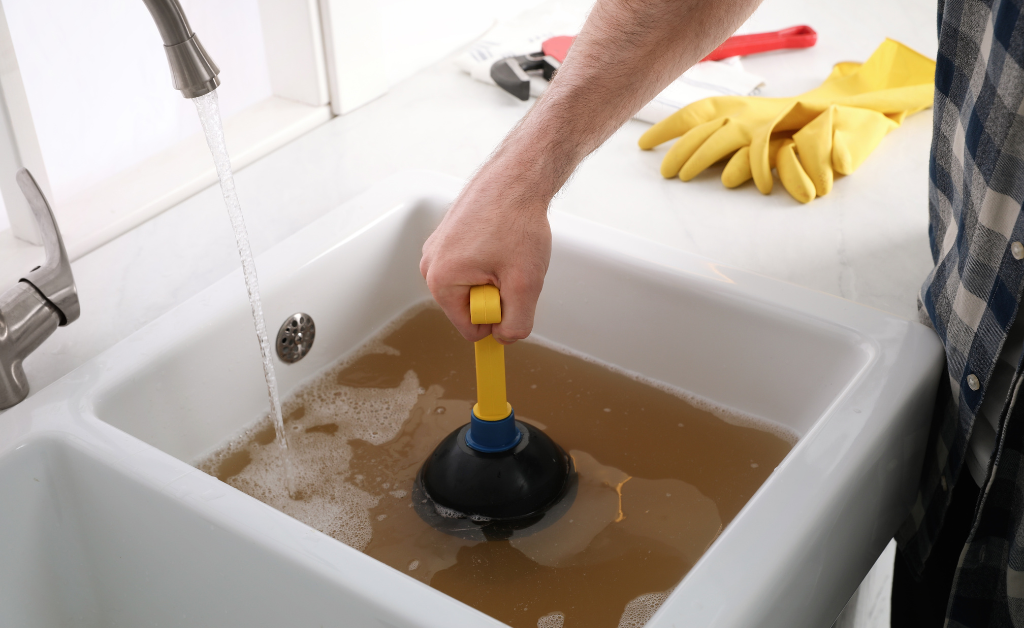
A plunger is often the first tool to address a slow sink. Fill the sink partially with water, place the plunger over the drain, and pump several times. The suction dislodges minor clogs.
Repeated plunging may be necessary for stubborn blockages. This method is safe, inexpensive, and effective for common slow-draining issues. Using a plunger is one of the simplest solutions for Blocked sink draining slowly – causes and solutions. Proper technique ensures better results and prevents damage to pipes.
Plunging works best for partial blockages near the drain. For deeper clogs, additional methods may be required. It is an ideal first step before using chemicals or disassembling the plumbing.
Manual Removal of Debris
Remove the drain cover and inspect the P-trap for hair, food, or foreign objects. Unscrew and clean the trap carefully. This often clears the blockage immediately.
Regular cleaning of the P-trap prevents future slow drainage. This hands-on approach is practical and effective for homeowners dealing with Blocked sink draining slowly – causes and solutions. Ensure proper reassembly to maintain a watertight seal.
Inspect deeper pipes with a flexible drain snake if debris remains. Manual removal is eco-friendly and avoids harsh chemicals that could damage pipes. It is a reliable solution for many slow-draining sinks.
Natural Cleaning Solutions
Baking soda and vinegar can break down minor clogs and clean pipes naturally. Pour a cup of baking soda followed by a cup of vinegar into the drain, wait 15–30 minutes, then flush with hot water.
This method is safe for most plumbing systems and prevents chemical damage. Regular use keeps drains clear and supports Blocked sink draining slowly – causes and solutions. It also neutralizes odors and improves flow efficiency.
Hot water alone can dissolve grease or soap buildup in minor cases. Combining natural cleaning methods with manual removal enhances results. Consistent maintenance ensures long-term drainage performance.
Chemical Drain Cleaners
Use chemical drain cleaners cautiously, as frequent use can damage pipes. Select products designed for kitchen or bathroom drains, following instructions precisely.
Chemical cleaners are most effective for stubborn clogs when other methods fail. Understanding safe application is crucial in Blocked sink draining slowly – causes and solutions. Avoid overuse to prevent corrosion or damage to plumbing materials.
These cleaners work best on minor to moderate blockages. For recurring slow drains, consider professional inspection to avoid repeated chemical exposure. Combining preventive measures with selective use maintains pipe health.
When to Call a Professional
If DIY solutions fail, contact a licensed plumber. Persistent slow drainage may indicate severe clogs, damaged pipes, or venting issues that require expert intervention. Professionals have tools and expertise to clear deep blockages safely. Timely action resolves Blocked sink draining slowly – causes and solutions and prevents costly repairs.
Professional assessment can identify hidden problems, such as sagging pipes, leaks, or extensive corrosion. Early intervention ensures plumbing longevity and restores normal sink operation. Licensed plumbers also provide advice on preventive measures, saving homeowners from recurring issues.
Situations Requiring Immediate Attention
Standing water, foul odors, gurgling noises, or water backup require urgent attention. Ignoring these signs can lead to overflows, water damage, and more serious plumbing problems. Prompt professional repair restores normal drainage and prevents further issues.
Recognizing urgent warning signs ensures Blocked sink draining slowly – causes and solutions are addressed before escalation. Professionals can handle complex issues, including pipe replacement or vent repair, efficiently. Quick response avoids major household disruption.
Preventing Slow Drainage in the Future
Regular maintenance keeps sinks draining efficiently. Use strainers to catch hair, food, and debris. Periodically clean drains with baking soda and vinegar. Inspect P-traps and remove buildup before it becomes severe. Proactive care prevents recurring slow drainage and protects plumbing investment.
Proper disposal of grease and food waste prevents kitchen sink clogs. Avoid pouring fat down the drain and clean pipes periodically. Routine checks of venting and pipe integrity maintain proper drainage. Implementing these steps helps manage Blocked sink draining slowly – causes and solutions effectively. Preventive maintenance saves water, reduces odors, and maintains household hygiene.
Tips for Long-Term Maintenance
Flush drains with hot water regularly to prevent grease and soap accumulation. Use natural cleaning solutions monthly to keep pipes clear. Inspect plumbing components, including P-traps, drains, and vents, for wear or damage. Schedule professional inspection annually if issues persist. Regular maintenance reduces the risk of slow-draining sinks and ensures consistent water flow. Following these tips helps homeowners maintain Blocked sink draining slowly – causes and solutions in a cost-effective and sustainable way.
FAQs
What causes a sink to drain slowly?
Slow drainage is usually caused by hair, soap scum, grease, food debris, or sediment buildup in pipes. Corroded pipes and venting issues can also contribute.
Can I unclog a sink myself?
Yes, using a plunger, drain snake, or cleaning the P-trap often restores normal flow. Baking soda and vinegar are also effective for minor clogs.
How do I prevent my sink from getting blocked?
Use strainers to catch debris, avoid pouring grease or food down the drain, and clean the drain periodically. Regular maintenance prevents clogs.
When should I call a plumber for a slow-draining sink?
Call a plumber if DIY methods fail or if water stands in the sink, smells foul, or produces gurgling noises. Professional help is needed for deep clogs or damaged pipes.
Can grease cause slow drainage?
Yes, grease solidifies inside pipes, restricting water flow and causing slow drainage. Hot water or natural cleaners can help dissolve minor grease buildup.
Are chemical cleaners safe for sinks?
Chemical cleaners can be effective but may damage pipes with frequent use. Use them sparingly and follow instructions carefully.
How often should I clean my drains?
Monthly cleaning with natural solutions or periodic manual removal prevents buildup and slow drainage. Regular checks keep pipes clear.
Can hair block bathroom sinks?
Yes, hair is a common cause of bathroom sink clogs. Using strainers and regular cleaning prevents blockages.
Does pipe age affect sink drainage?
Old or corroded pipes restrict water flow, leading to slow drainage. Replacing worn pipes improves performance.
Will fixing a blocked sink reduce odors?
Yes, removing clogs and cleaning pipes eliminates standing water and reduces odors, restoring a hygienic sink environment.