Hidden plumbing problems that can increase repair costs are one of the biggest reasons homeowners face sudden and expensive repair bills. Plumbing issues rarely fail loudly at the start. Most problems grow quietly behind walls, under floors, or inside ceilings. By the time you notice visible damage, the repair cost has already climbed. Water has a unique way of spreading damage slowly and steadily. It weakens structures, invites mold, and ruins finishes without obvious warning. Understanding hidden plumbing problems that can increase repair costs helps you act early, protect your home, and save money in the long run.
Why hidden plumbing problems are so costly
Hidden plumbing problems that can increase repair costs stay out of sight, which delays action. Small leaks turn into large water damage over time. Pipes can drip for months before anyone notices a stain or smell. During that time, water damages wood, drywall, insulation, and even electrical systems. Repairs then go beyond plumbing and include construction work. Walls need opening, floors need replacing, and mold remediation may be required. Early detection costs far less than major restoration. That is why hidden plumbing problems that can increase repair costs are so dangerous to ignore.
Slow pipe leaks behind walls
Slow leaks inside walls are among the most common hidden plumbing problems that can increase repair costs. These leaks often come from aging pipes, loose joints, or corrosion. The leak may only release a few drops per hour, which makes it hard to detect. Over time, moisture soaks drywall and wooden studs. Paint bubbles or discoloration may appear long after damage begins. The longer the leak runs, the higher the repair cost becomes. Fixing the pipe is cheap compared to repairing structural damage and mold growth.
Slab leaks under floors
Slab leaks occur in pipes buried beneath concrete floors. These are serious hidden plumbing problems that can increase repair costs very quickly. You may notice warm spots on the floor, higher water bills, or low water pressure. Water leaking under concrete erodes soil and weakens the foundation. Repair often requires breaking through flooring and concrete. In severe cases, foundation repairs add to the cost. Slab leaks are hard to detect early, which is why they rank high among hidden plumbing problems that can increase repair costs.
Corroded pipes inside walls
Corrosion inside metal pipes develops slowly and silently. This makes it one of the most overlooked hidden plumbing problems that can increase repair costs. Rust weakens pipes from the inside, reducing water flow and pressure. Eventually, the pipe fails and leaks. Corroded pipes often break in multiple places, not just one. That means repairs may involve replacing long sections of piping. Waiting until a pipe bursts increases water damage and repair costs dramatically. Early pipe inspections help prevent this issue.
Tree root intrusion in drain lines
Tree roots naturally seek moisture, making underground drain lines a prime target. Root intrusion is one of the most destructive hidden plumbing problems that can increase repair costs. Roots enter through small cracks and grow inside pipes. Over time, they block flow and cause backups. Many homeowners only notice when drains slow or sewage backs up. Clearing roots repeatedly costs money, but ignoring them leads to collapsed pipes. Full pipe replacement costs far more than early intervention.
Hidden drain line blockages
Partial blockages inside drain pipes can go unnoticed for a long time. These blockages are hidden plumbing problems that can increase repair costs if left untreated. Grease, soap, hair, and debris build up gradually. Water still drains, but pressure increases inside the pipe. Over time, joints weaken and leaks develop. Once a blockage causes a backup, water damage spreads quickly. Regular drain inspections and cleaning reduce the risk of costly repairs.
Leaking pipe joints and fittings
Pipe joints connect sections of plumbing and are common failure points. Leaking joints often hide behind cabinets, inside walls, or under floors. These hidden plumbing problems that can increase repair costs often start small. A loose fitting may only leak under pressure. Over time, moisture damages surrounding materials. Repairing a joint is inexpensive, but accessing it after damage raises costs. Checking joints during routine plumbing inspections helps catch leaks early.
Aging plumbing systems
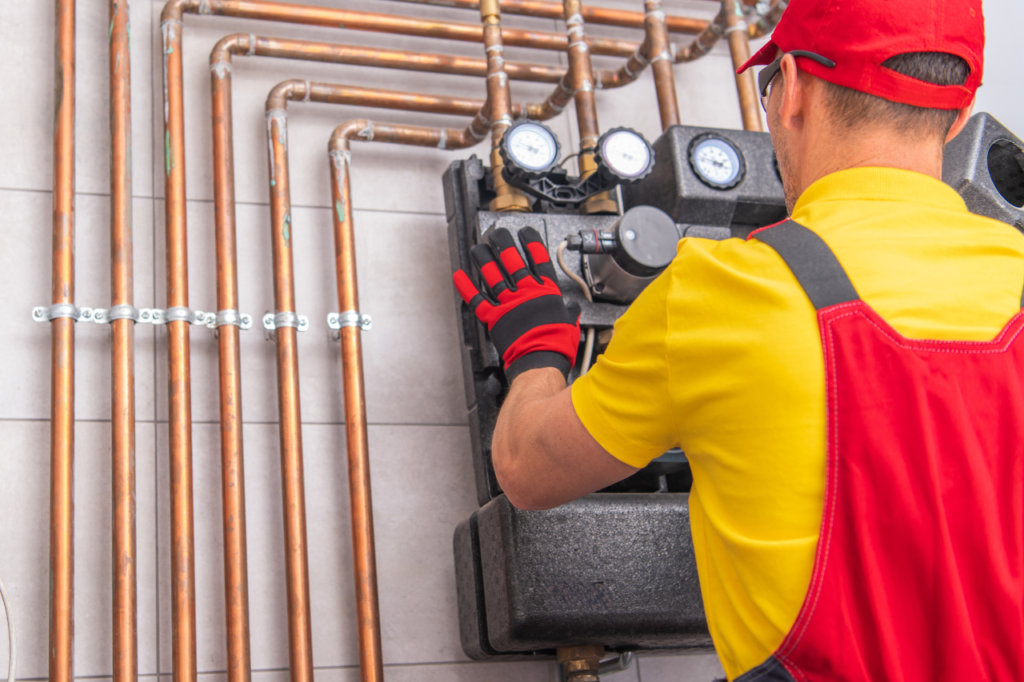
Old plumbing systems are full of hidden plumbing problems that can increase repair costs. Pipes installed decades ago were not designed to last forever. Materials like galvanized steel corrode from the inside. Old plastic pipes may become brittle. Aging systems fail in unpredictable ways, often behind walls. Replacing sections one by one after failures costs more than planned upgrades. Proactive replacement of aging plumbing reduces surprise repair bills.
Hidden toilet leaks
Toilet leaks are often silent and hidden. A faulty flapper or seal allows water to leak into the bowl or floor slowly. These hidden plumbing problems that can increase repair costs waste water and damage flooring. You may not notice until tiles loosen or the subfloor rots. A simple dye test can reveal hidden leaks early. Ignoring toilet leaks leads to floor replacement and structural repairs.
Shower and bathtub leaks
Leaks around showers and bathtubs often hide behind walls or under floors. These hidden plumbing problems that can increase repair costs start with failing seals or cracked pipes. Water seeps into framing and insulation with each use. Mold thrives in these damp areas. By the time stains appear, damage is extensive. Fixing a shower leak early saves money compared to rebuilding walls and floors.
Faulty pipe insulation
Poor insulation allows pipes to freeze or sweat. Frozen pipes burst, while condensation damages nearby materials. These are hidden plumbing problems that can increase repair costs in cold or humid climates. Pipes in attics, crawl spaces, and walls need proper insulation. A burst pipe causes sudden flooding and major repairs. Preventive insulation costs far less than water damage restoration.
Undetected water pressure issues
High water pressure stresses pipes and fittings. This creates hidden plumbing problems that can increase repair costs over time. Excess pressure accelerates wear on joints and valves. Small leaks form gradually and stay hidden. Installing a pressure regulator protects the system. Monitoring pressure prevents long-term damage and reduces unexpected repairs.
Hidden leaks in appliance connections
Dishwashers, washing machines, and water heaters connect to plumbing with flexible hoses. These hoses can crack or loosen. Leaks often hide behind appliances. These hidden plumbing problems that can increase repair costs damage floors and cabinets before detection. Regularly checking hoses and replacing old ones reduces risk. Simple maintenance prevents expensive repairs.
Sewer line deterioration
Sewer lines age and degrade underground. Cracks, collapses, and misalignment cause hidden plumbing problems that can increase repair costs. You may notice slow drains or foul odors. By the time sewage backs up, damage is severe. Repair often requires excavation or trenchless methods. Early camera inspections detect sewer issues before failure.
Mold growth from hidden leaks
Mold thrives on moisture from hidden leaks. Mold damage is a direct result of hidden plumbing problems that can increase repair costs. Mold remediation adds significant expense to repairs. It also affects indoor air quality. Fixing the plumbing alone is not enough once mold spreads. Early leak detection prevents mold and reduces overall repair costs.
Structural damage from water exposure
Water weakens wood, drywall, and concrete over time. Structural damage often traces back to hidden plumbing problems that can increase repair costs. Floors sag, walls crack, and ceilings collapse in extreme cases. Structural repairs cost far more than plumbing fixes. Preventing water exposure protects your home’s integrity.
Hidden valve failures
Shutoff valves and internal valves can fail slowly. A valve may drip internally without visible signs. These hidden plumbing problems that can increase repair costs reduce control during emergencies. A failed valve can worsen a leak when you try to shut off water. Regular valve testing ensures they work when needed.
Poor initial plumbing installation
Bad installation creates hidden plumbing problems that can increase repair costs years later. Poor pipe support, incorrect slopes, or weak joints fail over time. These problems remain hidden until damage occurs. Fixing poor workmanship often requires opening walls. Hiring qualified plumbers from the start saves money long term.
How to detect hidden plumbing problems early
Early detection reduces the impact of hidden plumbing problems that can increase repair costs. Watch for unexplained water bill increases. Listen for running water sounds when fixtures are off. Check walls and ceilings for stains or soft spots. Use moisture meters in vulnerable areas. Regular professional inspections add another layer of protection.
The role of plumbing inspections
Professional inspections help identify hidden plumbing problems that can increase repair costs. Plumbers use cameras, pressure tests, and moisture detection tools. Inspections find issues before they cause damage. Annual checks cost far less than emergency repairs. Inspections are especially important in older homes.
Preventive maintenance strategies
Preventive maintenance limits hidden plumbing problems that can increase repair costs. Replace aging pipes and hoses proactively. Clean drains regularly to prevent buildup. Insulate exposed pipes. Monitor water pressure. These steps extend the life of your plumbing and reduce surprise expenses.
Insurance and hidden plumbing damage
Insurance coverage for hidden plumbing problems that can increase repair costs varies. Some policies cover sudden damage but not long-term leaks. Document inspections and maintenance. Quick action improves claim success. Understanding your coverage helps you plan financially.
When to call a professional plumber
Call a professional if you suspect hidden plumbing problems that can increase repair costs. Persistent dampness, mold smells, or repeated clogs signal deeper issues. Professionals locate leaks accurately and recommend proper repairs. DIY attempts may miss the root cause and increase costs.
Long-term cost impact of ignoring hidden issues
Ignoring hidden plumbing problems that can increase repair costs always leads to higher expenses. Minor repairs become major renovations. Water damage spreads beyond plumbing. Long-term neglect affects property value. Early action saves money and stress.
FAQs about hidden plumbing problems
Why are hidden plumbing problems so expensive?
They cause damage over time, affecting structures and finishes before detection.
How can I find hidden leaks?
Watch for water bill spikes, damp spots, and unusual sounds. Professional inspections help.
Do hidden leaks increase mold risk?
Yes, moisture from leaks creates ideal mold conditions.
Is preventive maintenance worth it?
Yes, it costs far less than repairing major water damage.
When should I replace old pipes?
Replace pipes showing corrosion, leaks, or age-related wear before failure.