
A leaking pipe under sink – what to do immediately is one of the most urgent plumbing problems a homeowner can face. Even a tiny drip can damage cabinets, flooring, and walls if not addressed quickly. Water spreads faster than you think and often hides behind wood panels or drywall, making the damage worse than it first appears. Acting fast prevents further structural damage, mold growth, and costly repairs. Most leaks start small, such as a worn washer, loose joint, or minor crack, but can escalate quickly without proper attention. Understanding the steps to take and tools to have on hand is essential when dealing with a leaking pipe under sink – what to do immediately scenario.
Why Immediate Action is Crucial
A leaking pipe under sink – what to do immediately should never be ignored. Water can damage cabinet wood, flooring, and even ceilings if it reaches the levels below. Moisture fosters mold growth within 24 to 48 hours, creating health hazards. A small puddle can become a structural problem if left untreated. By acting fast, you reduce water damage, save money on repairs, and protect your home’s integrity. Always treat a leaking pipe under sink – what to do immediately situation as an emergency to prevent complications.
Signs That You Have a Leaking Pipe Under Sink
Watch for water stains, puddles, or a musty smell under the sink. Mineral buildup, rust, or corrosion on pipes also indicates a slow leak. Listen for dripping sounds even when faucets are off. Inspect the P-trap, supply lines, and faucet connections carefully. Detecting a leaking pipe under sink – what to do immediately early helps prevent further damage and allows you to plan a safe repair.
Immediate Steps to Take
When faced with a leaking pipe under sink – what to do immediately, first place a bucket or tray under the leak to catch water. Turn off the local shutoff valves under the sink. If those fail, shut off your home’s main water supply. Open the faucet to drain trapped water and relieve pressure in the pipes. These steps limit damage, give you time to inspect the leak, and prepare for repair.
Protecting Your Floors
Before doing anything else, remove items from under the sink. Use towels, mats, or a plastic tray to protect the floor from water. Wet floors can be slippery and increase the risk of injury. Keeping the area clear ensures you can safely work on the leaking pipe under sink – what to do immediately.
Locating the Source of the Leak
To address a leaking pipe under sink – what to do immediately, locate the leak precisely. Use a flashlight and a dry cloth to inspect all pipe joints, the P-trap, supply lines, and faucet connections. Run the faucet slightly to watch where drops form. Paper towels along pipes can reveal hidden leaks. Mark the leak location to avoid unnecessary disassembly during repair.
Common Leak Locations
Most leaks appear at the P-trap, slip joints, or supply line connections. Worn washers, loose nuts, and corrosion are frequent causes. Knowing where leaks usually occur makes handling a leaking pipe under sink – what to do immediately faster and more efficient.
Shutting Off Water Supply
Shut off the under-sink valves clockwise to stop water. Test the faucet to ensure flow stops. If valves fail, turn off the main water supply. Open the faucet to release pressure from pipes. Working with empty pipes is essential for safely handling a leaking pipe under sink – what to do immediately.
Understanding Valve Types
Ball valves require a quarter turn to close, while compression valves may need multiple turns. Knowing your valve type ensures quick action in emergencies. Always test the faucet after closing the valve.
Temporary Fixes for Leaking Pipes
Epoxy putty and silicone repair tape can seal minor leaks temporarily. Press epoxy into small holes and cracks, letting it cure as instructed. Wrap silicone tape tightly around minor cracks in supply lines or pipes. Mechanical clamps or repair sleeves provide a stronger temporary seal. These measures prevent immediate damage and give you time to plan permanent repairs for a leaking pipe under sink – what to do immediately.
Pros and Cons of Temporary Solutions
Temporary fixes stop leaks quickly but are not long-term solutions. Epoxy putty works on metal and PVC but may fail under high pressure. Silicone tape is easy to apply but may loosen if improperly wrapped. Always plan a permanent repair after using temporary solutions to ensure a fully safe leaking pipe under sink – what to do immediately fix.
Tools and Materials for Emergency Repairs
Keep a kit under your sink with an adjustable wrench, pliers, plumber’s tape, epoxy putty, silicone tape, and a small bucket. Gloves and a flashlight make repairs easier and safer. Store spare P-traps, washers, and supply lines for quick replacements. Being prepared ensures you can act fast on a leaking pipe under sink – what to do immediately situation without panic.
Organizing Your Plumbing Emergency Kit
Place all tools in a small box or tray. Label items for easy access. Include pipe sizes, valve types, and faucet model numbers. Proper organization saves time and reduces stress during plumbing emergencies.
Fixing a Leaking P-trap
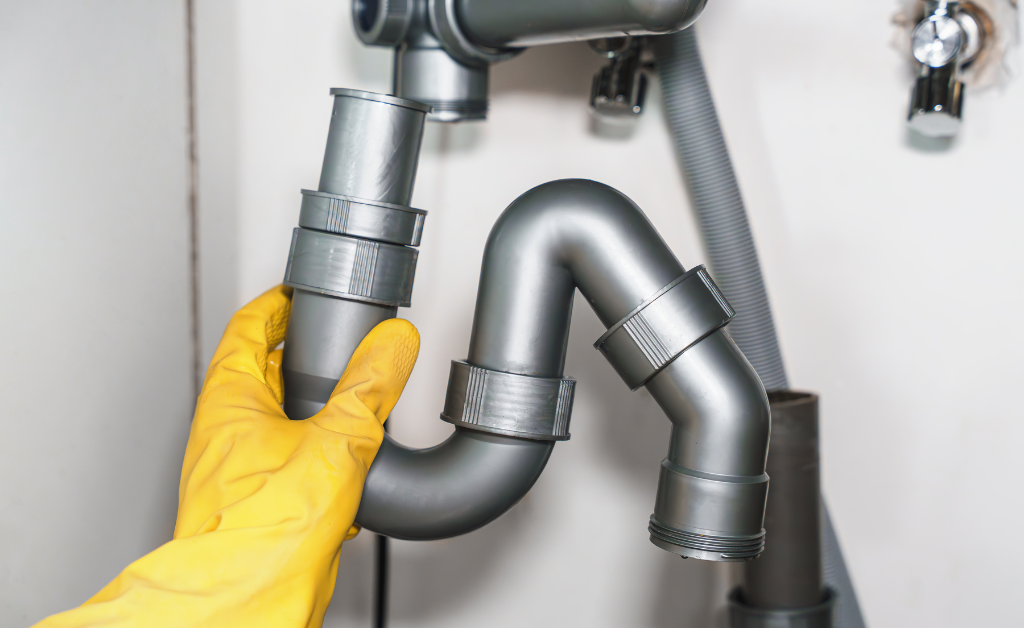
Leaks in P-traps are common due to loose slip nuts or worn washers. Place a bucket under the trap, loosen the nuts, and remove it. Inspect and replace the gasket if needed. Reassemble the trap with plumber’s tape where threads allow. Turn the faucet on to check for leaks before putting items back under the sink. Handling a leaking pipe under sink – what to do immediately often involves this step.
Steps for Safe P-trap Replacement
Wear gloves to protect hands from dirty water or sharp edges. Clean debris from the trap before reinstalling. Align carefully to prevent stress on joints. Tighten nuts moderately to avoid cracking plastic threads. Test the faucet to confirm leak removal.
Replacing Leaking Supply Lines
Shut off water before disconnecting supply lines. Remove old lines and inspect compression fittings. Install new braided or plastic supply lines rated for your water pressure. Tighten connections by hand and then a quarter turn with a wrench. Turn water on slowly and observe both ends for leaks to fully handle a leaking pipe under sink – what to do immediately.
Selecting the Right Supply Line
Braided stainless steel lines resist kinking and last longer. Plastic lines are flexible but degrade faster. Choose lines suitable for fixture height and water pressure. Proper selection reduces the chance of recurring leaks.
Drying and Mold Prevention
After stopping the leak, remove water and wet items promptly. Towels or wet-dry vacuums clean puddles efficiently. Position fans and open windows for airflow. Inspect wood and drywall for swelling or soft spots. Quick action prevents mold formation after a leaking pipe under sink – what to do immediately.
Mold Prevention Tips
Keep cabinets dry and clutter-free. Use moisture absorbers or small dehumidifiers. Inspect monthly for leaks or damp spots. Early drying prevents health risks and structural damage.
When to Call a Plumber
Call a plumber for corrosion, cracked pipes, or hard-to-access areas. If shutoff valves fail or temporary fixes do not stop the leak, professional help is needed. Plumbers handle soldering, pipe replacement, and complex fittings safely. Emergency service is required if leaks reach electrical wiring or cause significant water intrusion.
Emergency Plumbing Signs
Leaks that spray uncontrollably or reach electrical outlets require immediate action. Floor buckling or persistent mold odors are urgent signs. Keep local plumber contacts ready for fast response.
Cost and Time Expectations
Simple fixes like replacing washers or tightening joints cost little. Replacing P-traps or supply lines requires labor and testing. Major repairs for corroded pipes or cabinet damage are more expensive. Request written estimates for parts, labor, and follow-up. Planning budgets reduces financial stress during a leaking pipe under sink – what to do immediately event.
Budgeting for Unexpected Plumbing Issues
Set aside an emergency fund. Regular maintenance, such as replacing supply lines and checking valves, prevents costly emergencies. Compare multiple plumber quotes for fair pricing.
Preventing Future Leaks
Inspect cabinets monthly for drips or stains. Avoid storing heavy items near pipes. Replace worn washers and supply lines before failure. Install water-sensor alarms for early detection. Treat corrosion early by cleaning or replacing affected pipes. Regular checks prevent leaks from escalating.
Best Practices for Home Plumbing Maintenance
Tighten loose connections periodically. Use strainers to prevent debris from clogging drains. Keep under-sink areas dry and teach household members about shutoff locations. Routine maintenance extends the life of your plumbing system.
Upgrading Your Sink Plumbing
Modern faucets and piping materials reduce leak risks. Stainless steel braided lines and PVC P-traps resist corrosion. Upgrading valves to quarter-turn ball types improves reliability. Professional installation ensures long-term protection from a leaking pipe under sink – what to do immediately.
Signs You Need a Full Upgrade
Frequent leaks, visible corrosion, or outdated fixtures indicate the need for replacement. Aging pipes increase sudden failure risk. Planning upgrades during remodeling saves cost and inconvenience. Professionals can recommend the best materials and layout.
FAQs
How fast should I act on a leaking pipe under sink – what to do immediately?
Shut off water and catch drips immediately. Quick action limits damage and prevents mold growth.
Can I use tape or putty as a permanent solution?
No. Temporary fixes only delay the permanent repair. Plan part replacement soon.
Will insurance cover water damage?
Many policies cover sudden leaks but exclude long-term neglect. Document the leak and steps taken.
How long do supply lines last?
Braided lines typically last 5–10 years. Replace sooner if worn or mineral buildup appears.
When does a leaking pipe under sink require cabinet replacement?
Replace wood if soft, panels delaminate, or mold appears. Water exposure longer than 48 hours increases risk.
Can I prevent leaks entirely?
Monthly inspections, proper storage, and timely part replacement prevent most leaks. Water alarms add early warning.
What tools should I keep for emergencies?
Adjustable wrench, pliers, plumber’s tape, epoxy putty, silicone tape, bucket, gloves, and flashlight are essential.
How do I know if a leak is serious?
Spraying water, leaks near electrical wiring, or structural damage are urgent. Stop water and call a plumber immediately.
Should I tighten every loose pipe?
Tighten joints carefully. Avoid overtightening plastic threads to prevent cracks.
How often should I inspect under-sink pipes?
Monthly checks prevent minor leaks from turning into major plumbing problems.